

 Tiếng Việt
 中文
中文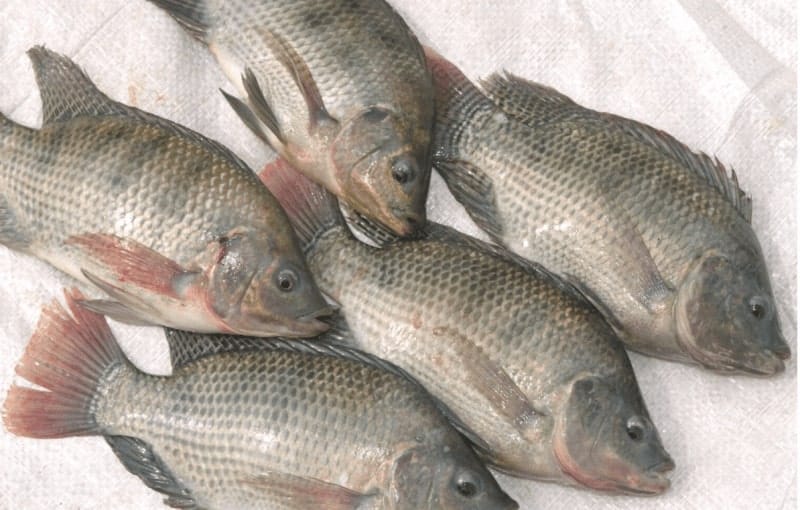
As global seafood trade undergoes significant shifts, Vietnam is emerging as a promising alternative source of tilapia exports—positioning itself alongside shrimp and pangasius as a key player in the global seafood market.
The U.S. Market: A Strategic Opportunity
According to seafood.vasep.com.vn, the United States is currently the world’s largest importer of tilapia. However, recent trade tensions—particularly the imposition of anti-dumping duties of up to 150% on Chinese tilapia—have significantly disrupted imports from China. This shift is prompting U.S. importers to actively seek alternative and more sustainable sources of supply, creating a valuable opening for Vietnamese exporters.
“We are no longer able to purchase from China due to the current tariff. We can only hope that governments will support the industry through this tough time,” said Mr. Nguyen Van Tien, Global Aquaculture R&D Director at De Heus. (seafood.vasep.com.vn)
This situation has led many U.S. buyers to actively seek alternative sources. As a result, Vietnam is becoming a favorable option, thanks to its established seafood processing infrastructure, commitment to quality, and proximity to global shipping routes.
Mr. Tien confirmed that Vietnamese exporters have recently seen a significant increase in orders from U.S. buyers, a clear signal of shifting demand from Chinese to Vietnamese tilapia.
Global Demand and Market Potential
The global tilapia market is projected to reach $14.5 billion, a figure that positions it as a major species after shrimp, which peaks at around $25 billion. With the U.S. diversifying its import sources, Vietnam has a clear window of opportunity to capture a substantial share of this growing demand.
Building a Sustainable Tilapia Industry in Vietnam
To seize this opportunity, Vietnam needs a strategic, long-term vision for tilapia development.
“Policies must lead the market, not follow it,” Mr. Tien emphasized. (seafood.vasep.com.vn)
He suggests Vietnam should focus on frozen fillets and value-added products that meet international food safety standards. Building a sustainable supply chain and ensuring product consistency will be critical.
Mr. Tran Dinh Luan, Director General of the Directorate of Fisheries, cautioned against repeating past mistakes where fragmented production led to price competition and brand erosion. He called for strong coordination across the supply chain—from hatcheries and farms to processing and export logistics.
Conclusion: Time to Act
The current U.S. market disruption represents a unique and timely opportunity for Vietnam to elevate its tilapia exports on a global scale. By focusing on high-quality processing, sustainability, and collaboration among stakeholders, Vietnam can establish itself as a reliable and competitive supplier in the global tilapia industry.
Contact For The Best-Priced Seafood Exports
- Address: Lot III-22, 19/5A St., Tan Binh Industrial Park, Tay Thanh Ward, Tan Phu Dist., HCMC
- Tel: +84 28 3816 5488
- Hotline: +84 94 868 0404
- Email: salesfreshfood@sacofoods.vn
- Fanpage: https://www.facebook.com/SouthernFreshFoods


